How to Clean Kitchen Cupboards Step by Step
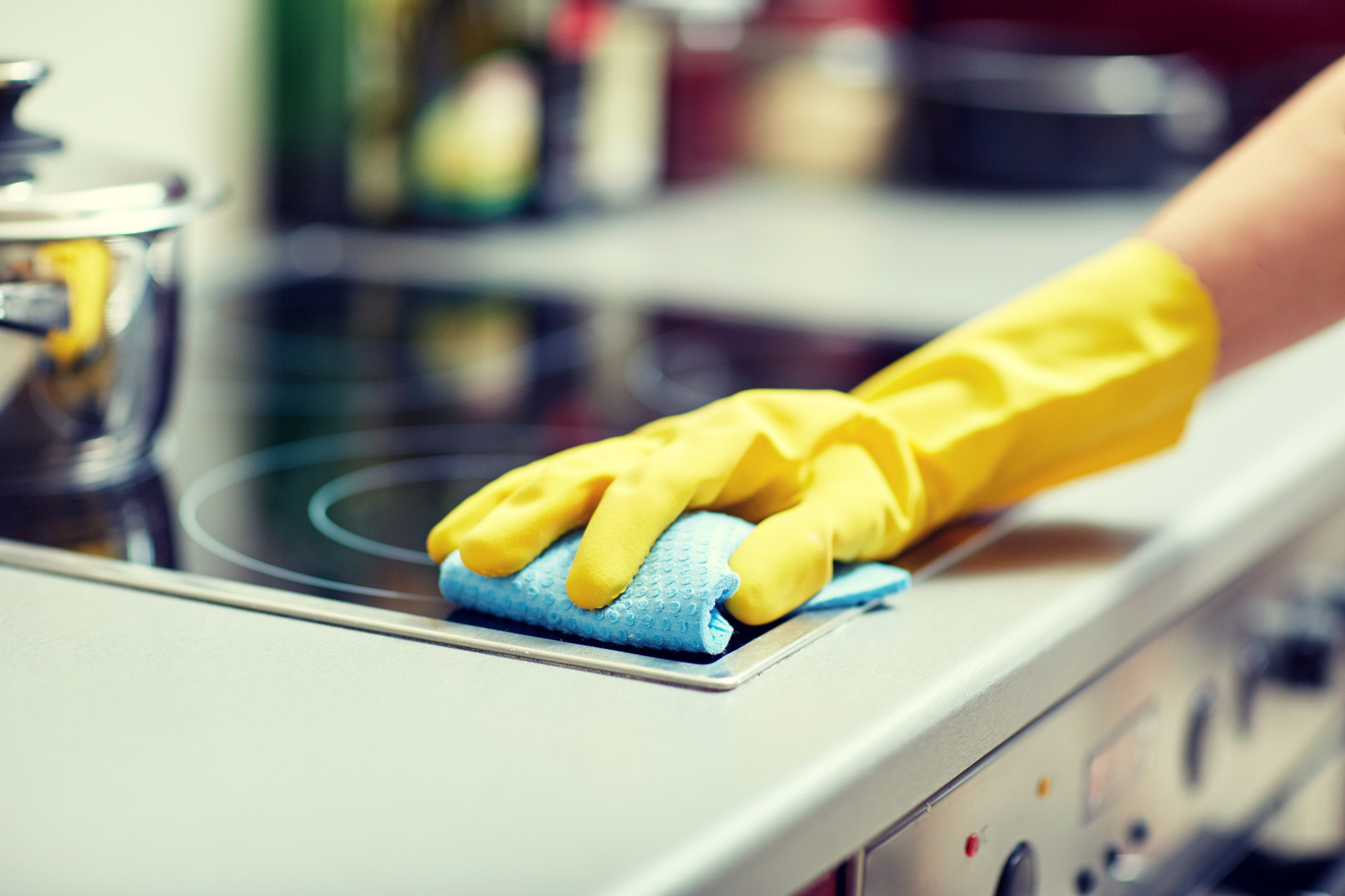
Deep cleaning kitchen cupboards takes forty-five minutes when you follow a strict step by step system. Empty each cabinet completely, wipe down the interior wood, clear off grease from the outer doors, and return items in neat functional groups. Use warm water, dish soap, and microfibre cloths to remove dirt without damaging cabinet paint or wood finishes.
How to Clean Kitchen Cupboards Deep and Fast
Start by preparing your cleaning area and filling a basin with warm water and two tablespoons of liquid dish soap. Gather three dry microfibre cloths, a gentle scrub sponge, a rubbish bag, and a small vacuum with a hose attachment. Clear off your kitchen counters so you have space to set down items as you empty each shelf.
Work on one upper cupboard at a time to stay organized and keep your counters from getting overwhelmed. Pull everything off the top shelf first, then move down to the lower shelves. Vacuum out loose crumbs and dust from the back corners before applying any water, as wet dust creates a muddy paste that takes twice as long to wipe away.
- Empty every item onto the clean kitchen counter beneath the cabinet.
- Check expiration dates on spices, canned food, and baking supplies, dropping expired goods directly into the rubbish bag.
- Vacuum the bare shelves using the brush attachment of your vacuum cleaner.
- Dip a microfibre cloth into soapy water, wring it out until it is barely damp, and wipe the top, sides, and bottom of the inside shelves.
- Dry the interior immediately with a fresh, dry microfibre cloth to protect the wood from moisture.

Removing Sticky Grease from Cabinet Doors
Outer cabinet doors collect a layer of cooking oil, grease, and dust over time, especially near the stove and above the microwave. Mix one cup of warm water with one tablespoon of grease-cutting liquid dish soap in a bowl. For heavy build-up around door handles, add one tablespoon of baking soda to make a thick paste that lifts oil without scratching paint.
Apply the soapy water to the outside doors, paying extra attention to decorative trim lines and around metal handles where finger oils build up. Let the soapy mixture sit on heavy grease spots for two minutes to soften the oil. Wipe the surface clean with a damp cloth, moving in the direction of the wood grain, then dry every door thoroughly with a clean towel.
Organizing Items Before Putting Them Back
Never return items to a freshly wiped cabinet until the shelves are completely dry to touch. Take five minutes to wipe down dusty oil bottles, sticky honey jars, and flour containers before putting them back inside. Group similar items together so you can reach what you need in seconds during busy weekday cooking times.
Place items you use daily on the lowest shelves at eye level, including dinner plates, coffee mugs, and everyday glasses. Store heavy small appliances, holiday serving platters, and duplicate pantry items on top shelves. Group small items like baking powders, food dyes, and extract bottles into small plastic tubs so they do not tip over or get lost at the back of the shelf.
- Group cooking oils and vinegars onto a wipeable tray to protect shelves from future drips.
- Stack plates by size, keeping large dinner plates on the bottom and smaller salad plates on top.
- Place everyday drinking glasses in straight lines, leaving half an inch of space between the front row and the door.
- Put loose baking tools and small tins inside open plastic storage baskets.
Weekly Routine to Keep Cabinets Clean
Keeping cupboards clean requires a quick two-minute daily habit and a ten-minute weekly check. Wipe down cabinet handles and the area right around them every evening when you wipe down the kitchen counters. Fingerprints and sauce drips come off easily when they are fresh, preventing hard grease layer build-up later.
Set a routine every Friday to open cabinet doors and check for stray crumbs or sticky ring marks under oil bottles. Wipe down these spots right away before they harden. Doing this short check keeps your kitchen running smoothly and eliminates the need for long, exhausting deep cleaning sessions in the future.


Comments
Post a Comment